In short: Latin names, plant parts, extract ratios and proprietary blends: what each line on the label actually tells you.
1. The Latin name
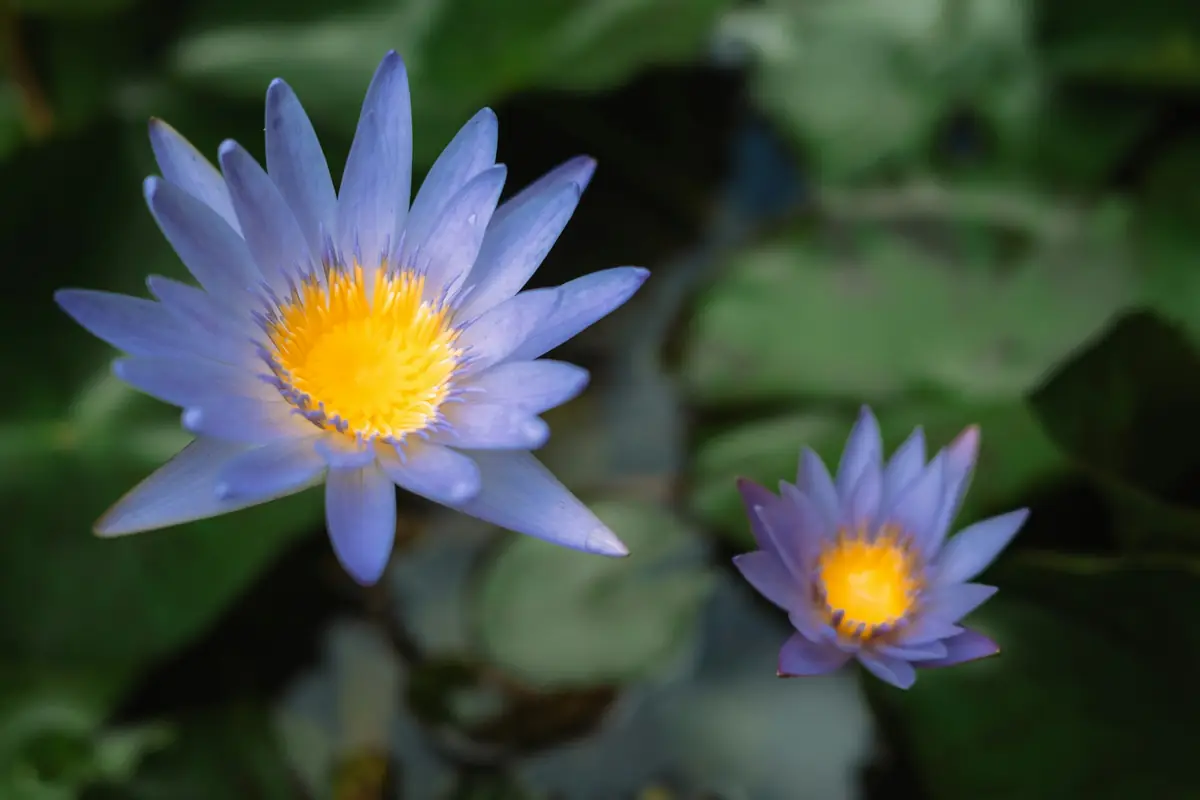
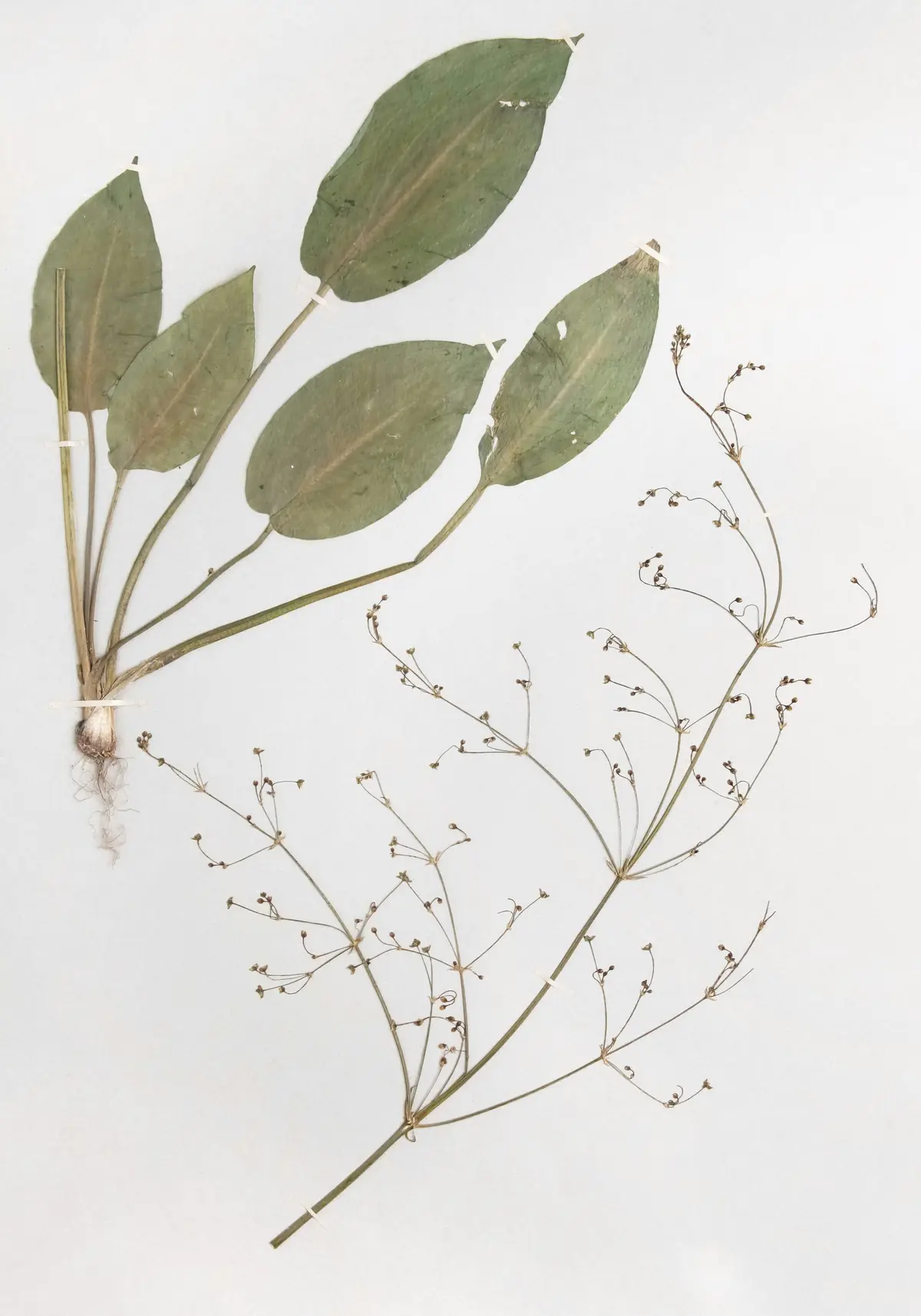
Common names are slippery: “lotus” can mean a water lily or a true lotus, and two plants are both sold as cat’s claw. A good label gives the Latin name, such as Nymphaea caerulea or Uncaria tomentosa, so you know exactly which plant is inside.
2. The plant part
Root, leaf, bark, flower and seed can contain very different compounds. Kava should be root and lower stem, not leaves; cat’s claw is usually inner bark. If the label doesn’t say which part, ask.
3. Powder, extract or ratio?
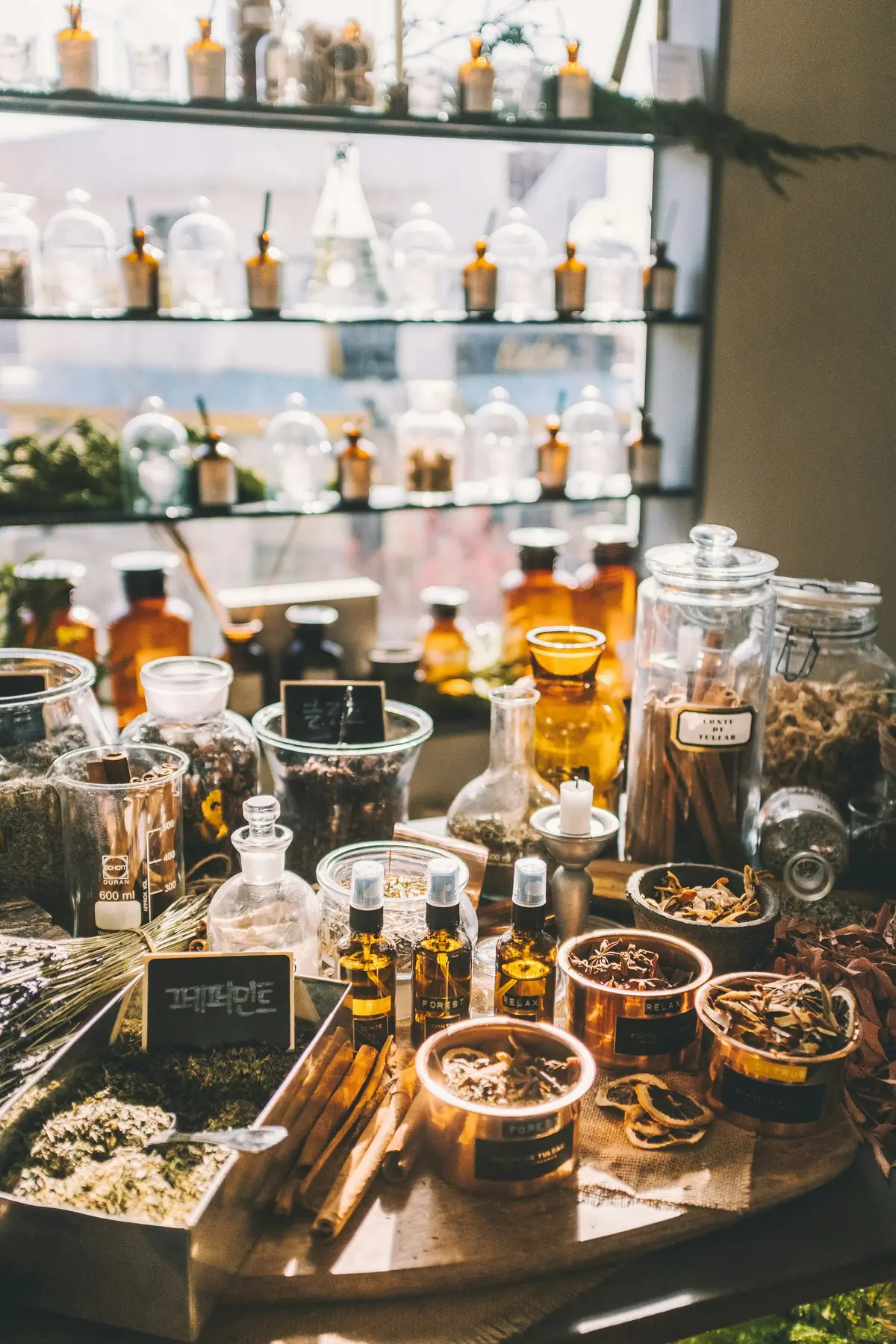
- Powder is the dried plant, ground. What you see is what you get.
- Extract means the plant was soaked in a solvent (water, alcohol or CO2) and concentrated.
- A ratio like 10:1 means 10 parts of dried plant went into 1 part of extract. It tells you the concentration, not the quality.
- A standardized percentage, such as “30% kavalactones”, tells you how much of the key compounds the extract contains. It is more informative than a ratio.
4. Proprietary blends
A “proprietary blend” lists the ingredients but only the total weight, not how much of each. That is legal, but it means you can’t compare products ingredient by ingredient. Brands that list every amount are being more open with you.
5. Serving size and servings per pack
Check whether the amount on the front is per tablet, per serving or per pack. A pack that says 1,250mg may hold five tablets of 250mg each, with two servings per tablet.
6. The lab report
Look for a certificate of analysis (COA) from an independent lab that matches your batch number. It should show what’s in the product and tests for contaminants such as heavy metals and microbes.
7. The fine print
In the US, supplement labels carry a statement that the FDA has not evaluated their claims. Be wary of any botanical that promises to cure or treat a disease: that claim isn’t allowed, and it’s a red flag.
Last reviewed by the Learn Botanicals editors.