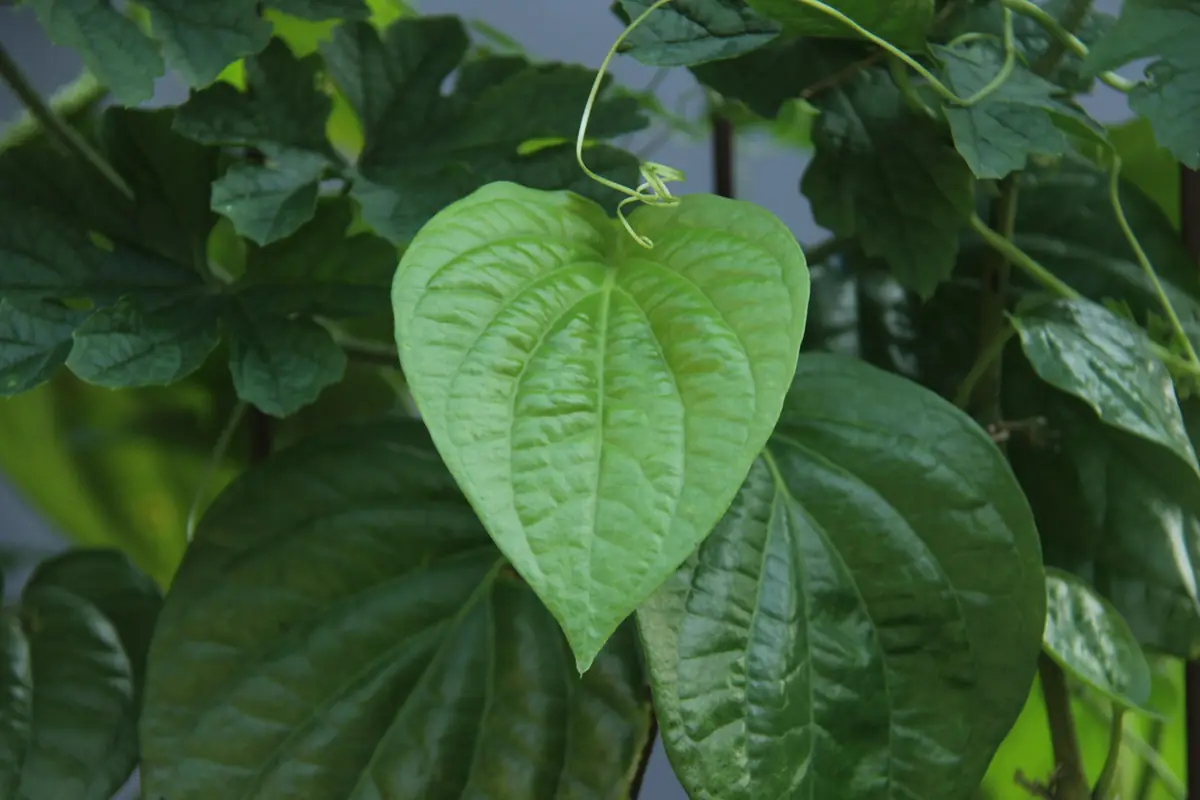
What is kava? Kava (Piper methysticum) is a botanical from the Piperaceae family, native to Pacific islands: Vanuatu, Fiji, Tonga, Samoa, Hawaii. The part used is the root and lower stem, and the compounds researchers focus on are kavalactones. Today it is sold as root powder for drinks, shots, capsules, extracts, and gummies.
What is kava?
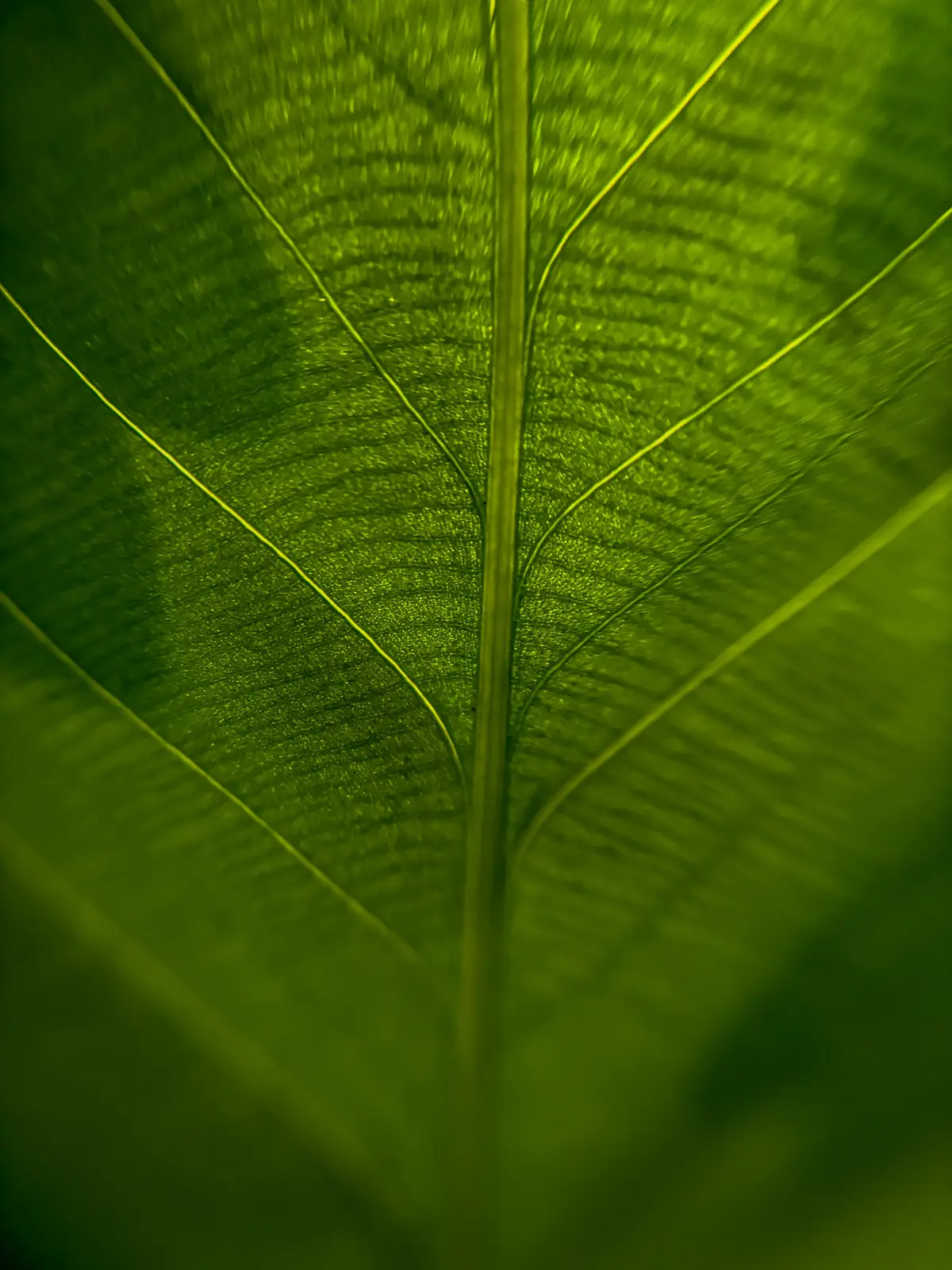
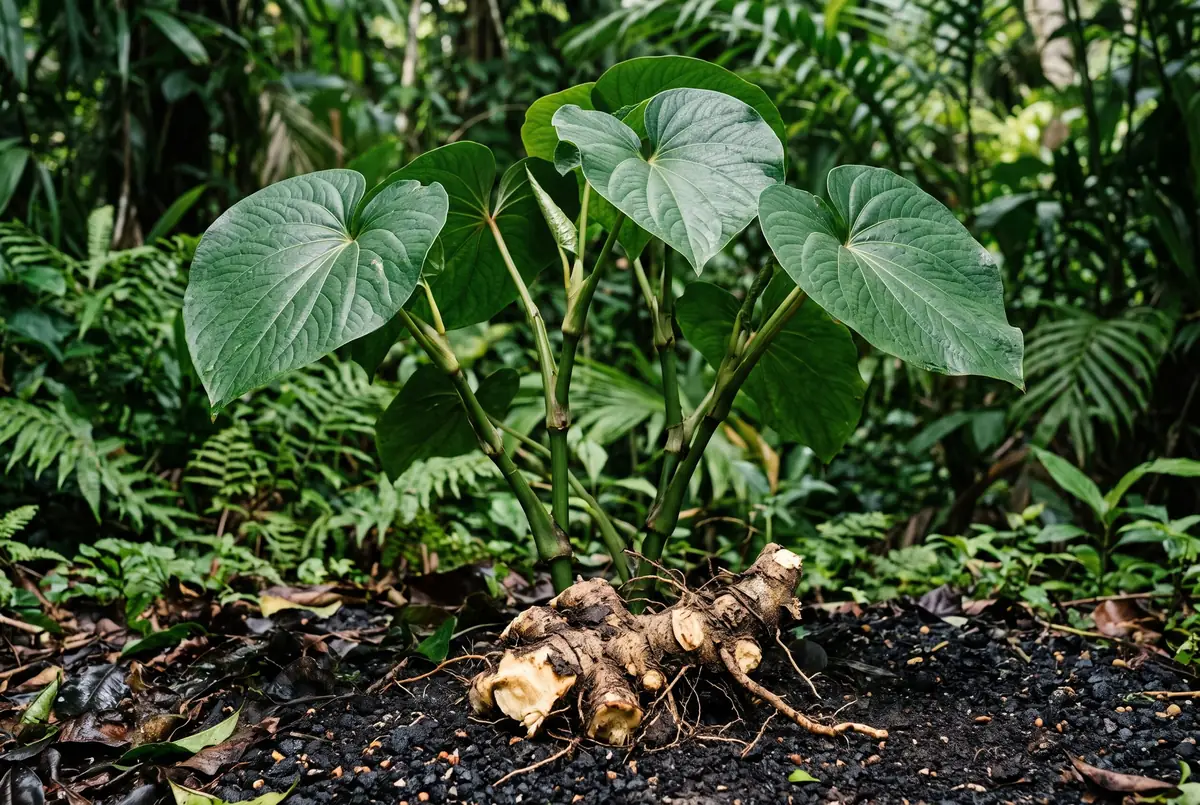
Kava is a shrub in the pepper family with large heart-shaped leaves and thick, knobby roots. The root is ground and mixed with water to make the traditional drink. The plant doesn’t grow from seed; it’s spread by cuttings, so every variety has been kept going by farmers for centuries.
A short history of kava
Across Vanuatu, Fiji, Tonga, Samoa and Hawaii, kava has been part of ceremonies, welcomes and village gatherings for a very long time. In Fiji it’s called yaqona. Today kava bars have opened across the United States, and the root is an important export for several Pacific nations.
What’s in kava?
The compounds that define kava are kavalactones. Six main ones make up most of the total: kavain, dihydrokavain, methysticin, dihydromethysticin, yangonin and desmethoxyangonin. Labels often state the kavalactone percentage, for example “30% kavalactones”.
Noble vs tudei kava
Vanuatu classifies its varieties. “Noble” varieties are the ones traditionally used day to day. “Tudei” (two-day) varieties are stronger in some kavalactones and are generally not recommended. Many sellers state that they use noble kava only.
How kava is sold today
As ground root to mix with water, instant powders, ready-to-drink shots, capsules, liquid extracts and gummies.
Is kava legal?
Kava is legal in the United States and is sold as a food and dietary supplement. In 2002 the FDA issued a consumer advisory about rare reports of liver injury linked to kava supplements, and several European countries restricted it for a time.
Kava safety notes
- Don’t combine kava with alcohol, and don’t drive after taking it.
- Talk to a doctor first if you have liver problems or take medicine that affects the liver.
- Not for pregnancy or breastfeeding. Choose noble kava and follow the label.
Last reviewed by the Learn Botanicals editors. Educational content, not medical advice.