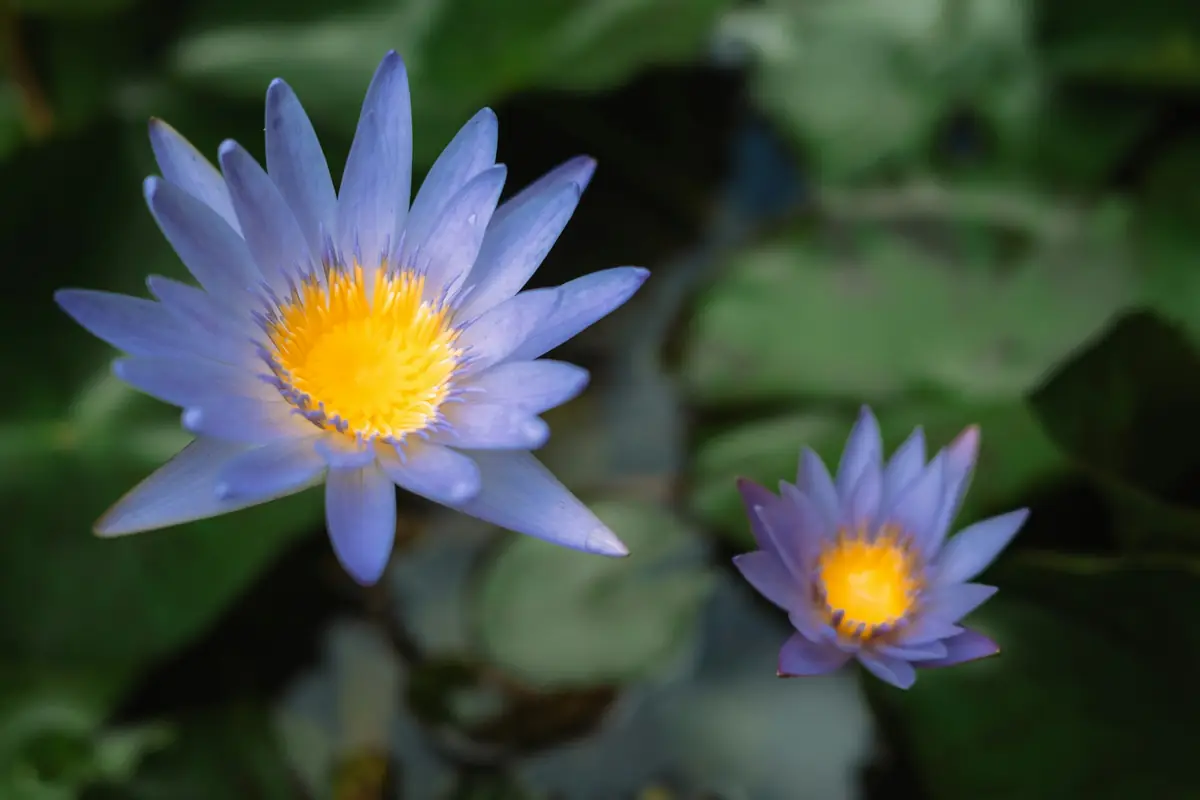
What is blue lotus? Blue lotus (Nymphaea caerulea) is a botanical from the Nymphaeaceae family, native to The Nile and parts of East Africa. The part used is the flower, and the compounds researchers focus on are aporphine alkaloids. Today it is sold as dried flowers for tea, tinctures, extracts, capsules, gummies, and vapes.
What is blue lotus?
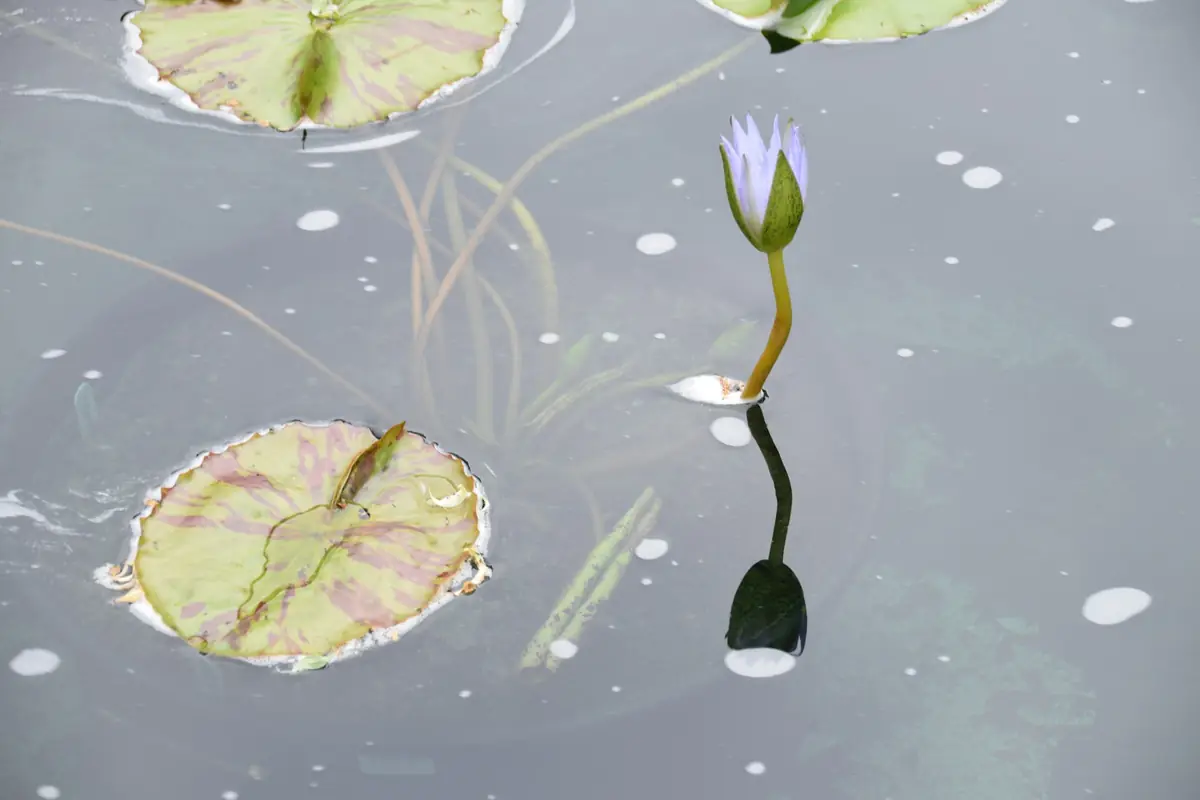
Blue lotus is a water lily with pale sky-blue, star-shaped petals and a bright yellow centre. It opens in the morning and closes in the afternoon. Despite the name, it isn’t a true lotus (Nelumbo); it’s a member of the water lily family.
A short history of blue lotus
The flower appears again and again in ancient Egyptian paintings and carvings, and it was linked with the sun and rebirth because of the way it opens each morning. Blue lotus flowers were found among the decorations in Tutankhamun’s tomb.
What’s in blue lotus?
The compounds most often discussed are aporphine alkaloids, including apomorphine and nuciferine, along with flavonoids. Modern research on the flower itself is limited.
How blue lotus is sold today
As dried flowers for tea, tinctures, concentrated extracts (often given as a ratio, such as 100:1), capsules, gummies and vapes.
Is blue lotus legal?
Blue lotus is not federally controlled in the United States, but Louisiana restricts it. Some other countries regulate it too, so check before you buy or travel with it.
Blue lotus safety notes
- There is little human research. Follow the label.
- Avoid it during pregnancy or breastfeeding, and don’t drive after use.
- Talk to a doctor if you take prescription medicine.
Last reviewed by the Learn Botanicals editors. Educational content, not medical advice.