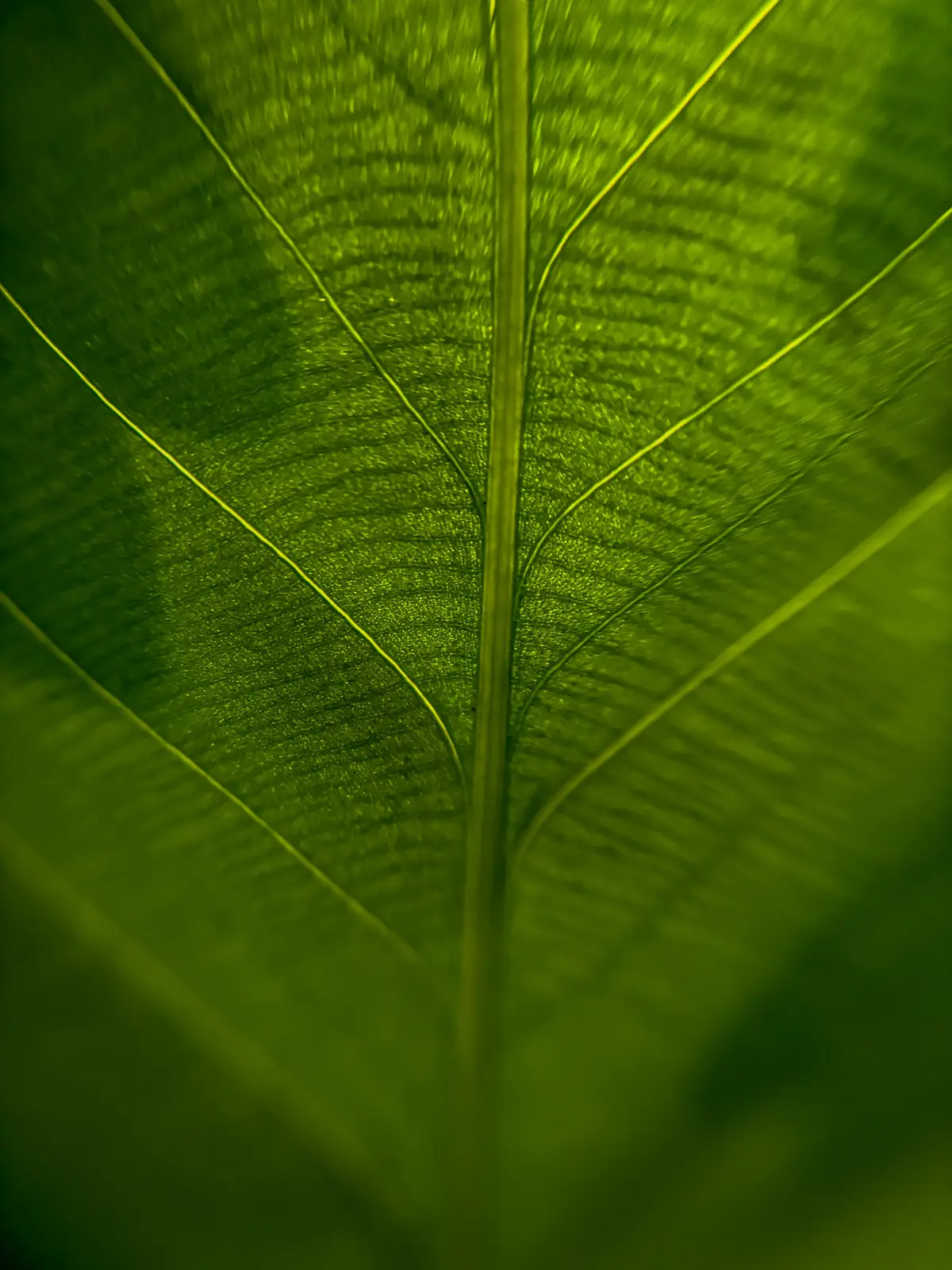
What are kratom and 7-OH? Kratom (Mitragyna speciosa) is a Southeast Asian tree in the coffee family whose leaves contain the alkaloid mitragynine. 7-OH (7-hydroxymitragynine) is a related alkaloid found in the leaf only in trace amounts, now sold in concentrated form and under growing regulatory restriction.
What kratom is
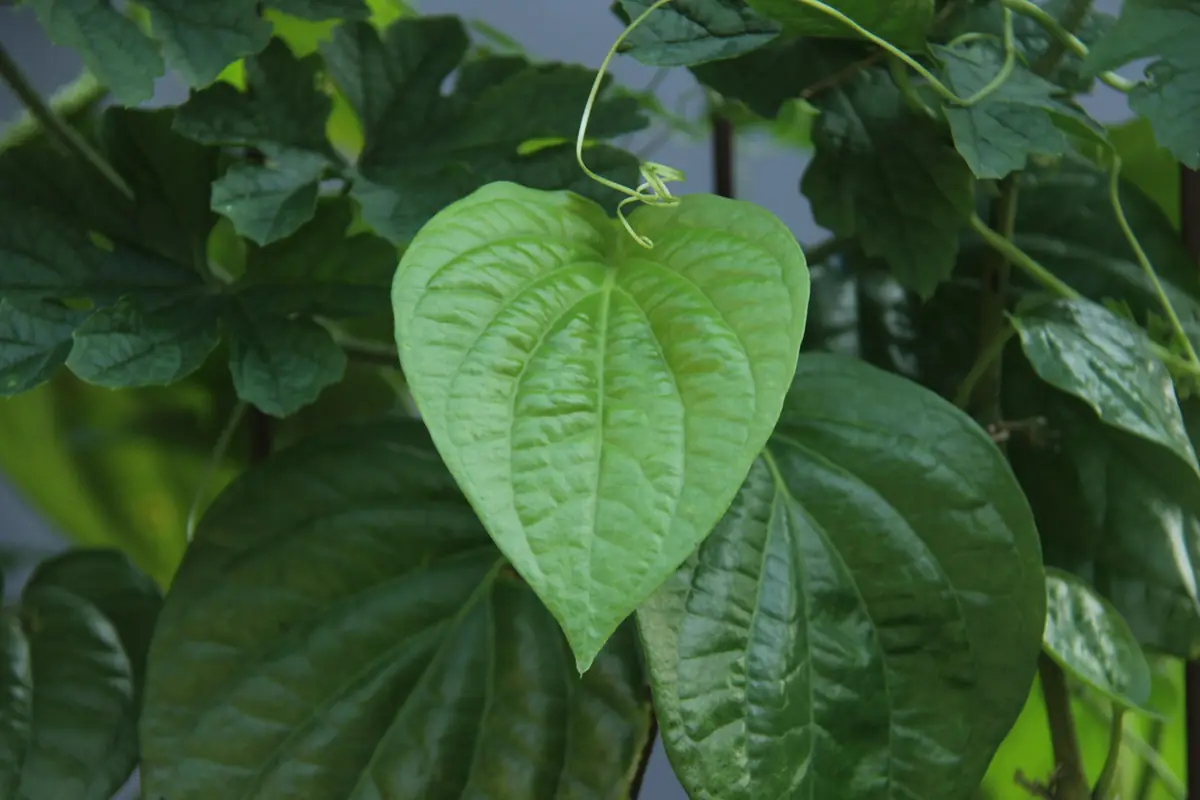
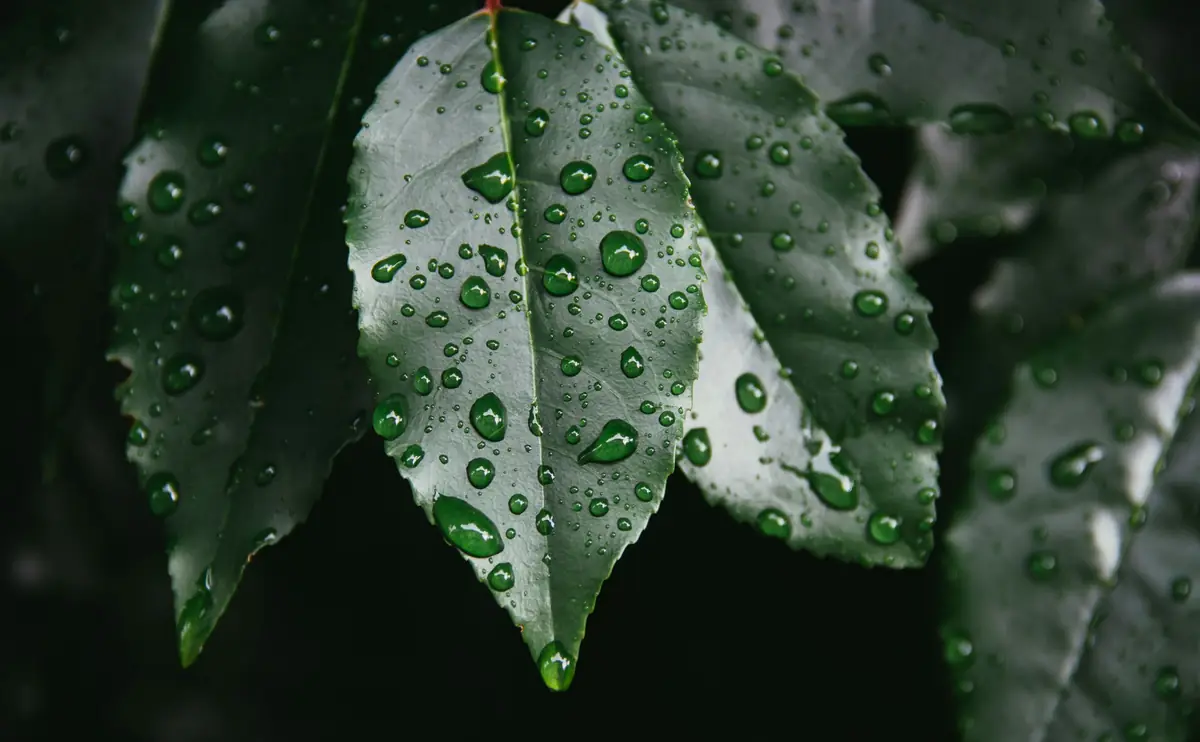
Kratom (Mitragyna speciosa) is a tropical tree in the coffee family, native to Thailand, Malaysia, Indonesia and Papua New Guinea. Its large glossy leaves are dried and ground into powder. In Southeast Asia, labourers have traditionally chewed the fresh leaves or brewed them as tea.
What 7-OH is
7-OH is short for 7-hydroxymitragynine, one of the alkaloids in kratom leaf. In the leaf it’s present only in trace amounts. Many 7-OH products sold in shops are concentrated or made by converting other kratom compounds, so a single tablet can contain far more 7-OH than a natural leaf would.

Where the rules stand
Kratom is not approved by the FDA for any use, and several US states ban it. In July 2025 the FDA recommended that 7-OH be placed under federal drug control, and a number of states have moved to restrict concentrated 7-OH products since. The rules keep changing, so check your state’s current law. This page isn’t legal advice.
Kratom vs 7-OH vs the alternatives
Because of these changes, many shoppers are looking at botanicals made without kratom or 7-OH, such as cat’s claw and Mitragyna hirsuta tablets. Those are different plants with different chemistry. Read the label and the lab report before you buy anything.
Kratom and 7-OH safety notes
- The FDA has warned about the risks of kratom and concentrated 7-OH products, including dependence and interactions with other substances.
- Don’t combine with alcohol, sedatives or other medicines, and don’t drive.
- If you are struggling to stop using any substance, the SAMHSA National Helpline (1-800-662-4357) is free, confidential and open 24/7.
Last reviewed by the Learn Botanicals editors. Educational content, not medical advice.